 Twitter
  Copy Link
  Email
Email  Facebook
Capturing the mesmerizing beauty of waterfalls through photography is a rewarding and captivating endeavor. From the powerful rush of cascading water to the ethereal mist that surrounds them, waterfalls provide photographers with a unique set of challenges and opportunities. In this comprehensive guide, we will delve into the intricacies of waterfall photography, offering insights, tips, and techniques to help you master this enchanting genre.
Before embarking on your waterfall photography adventure, it's crucial to have a solid understanding of your camera equipment. While any camera can capture stunning waterfall shots, a DSLR or mirrorless camera with manual settings will give you more control over your images. Invest in a sturdy tripod to keep your camera steady during long exposures, and consider using a remote shutter release to minimize camera shake.
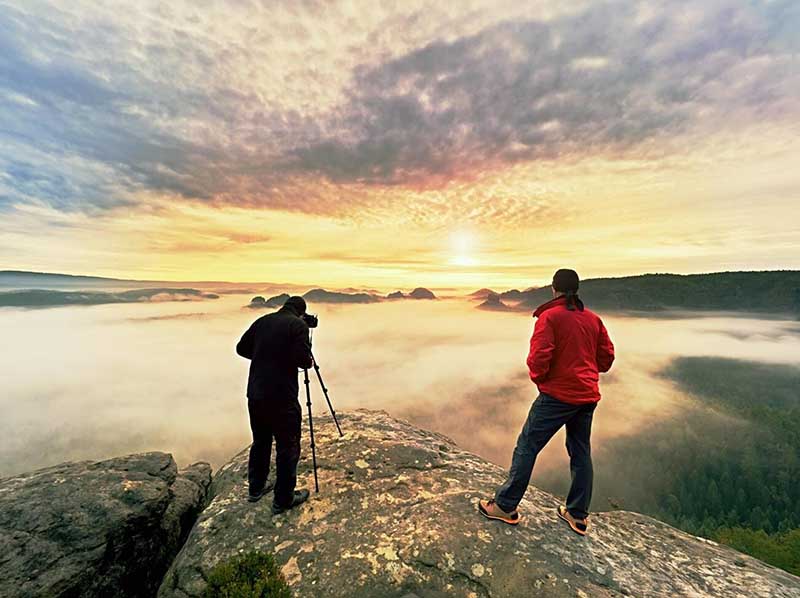
Choosing the perfect waterfall location is key to creating compelling photographs. Research potential locations and take into account factors such as accessibility, time of day, and weather conditions. Iconic waterfalls like Niagara Falls or Victoria Falls offer grandeur, but smaller, lesser-known waterfalls often provide more intimate and unique opportunities for photography.
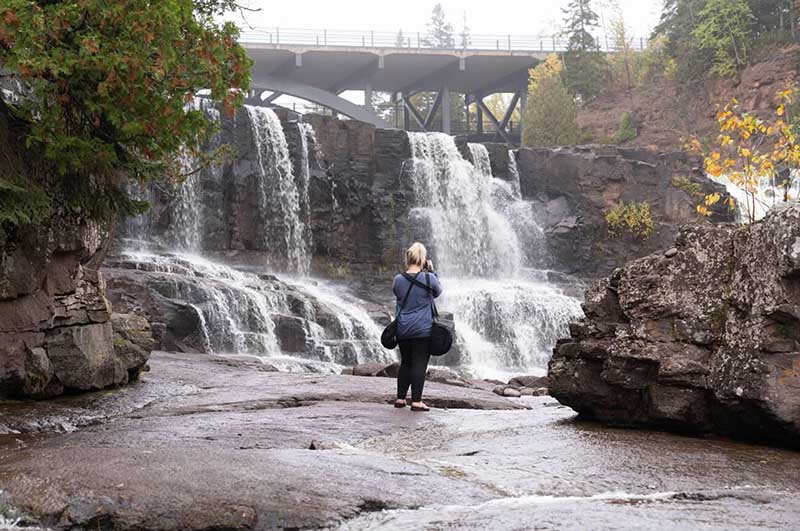
Composition plays a pivotal role in waterfall photography. Experiment with various compositions to find what works best for each waterfall. Consider incorporating elements such as rocks, foliage, or surrounding landscapes to add context and depth to your images. Utilize leading lines to guide the viewer's eye through the frame, and don't be afraid to try unconventional angles for a fresh perspective.
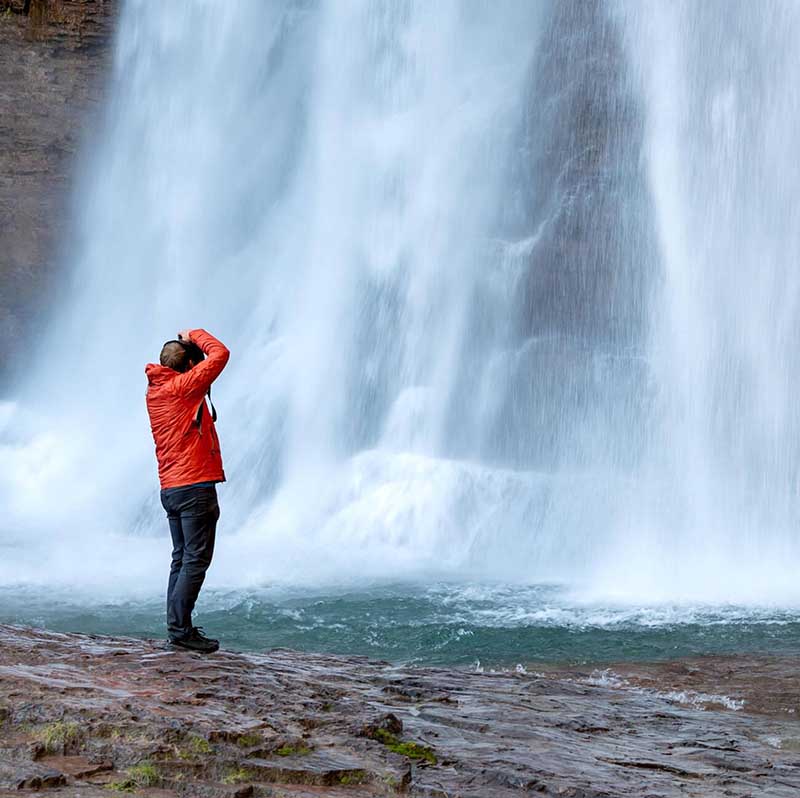
Achieving the ideal exposure is crucial in waterfall photography, especially when dealing with the contrast between the flowing water and surrounding elements. To capture the silky smooth effect of cascading water, use a slow shutter speed. Start with a shutter speed of around 1/4 to 1 second and adjust accordingly based on the desired effect. Use a narrow aperture (higher f-stop) to ensure a deep depth of field, keeping both the foreground and background in focus.
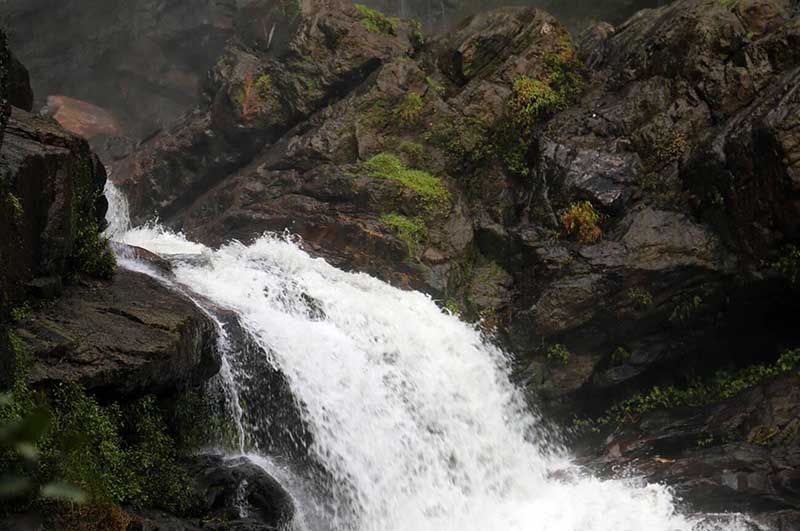
Neutral density (ND) filters are essential tools for controlling motion in waterfall photography. These filters reduce the amount of light entering the lens, allowing you to use longer shutter speeds even in bright conditions. Graduated ND filters can help balance exposure in scenes with varying light intensities, ensuring well-exposed images from top to bottom.
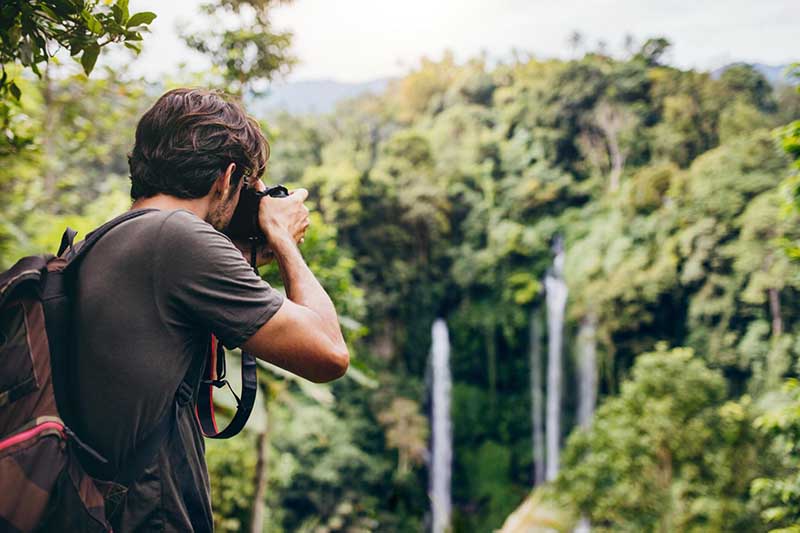
The quality of light significantly impacts your waterfall photographs. Overcast days provide soft, even lighting that minimizes harsh shadows, while golden hour (sunrise or sunset) adds warmth and dimension to your images. Experiment with different lighting conditions to discover the mood that best suits the waterfall you are photographing.
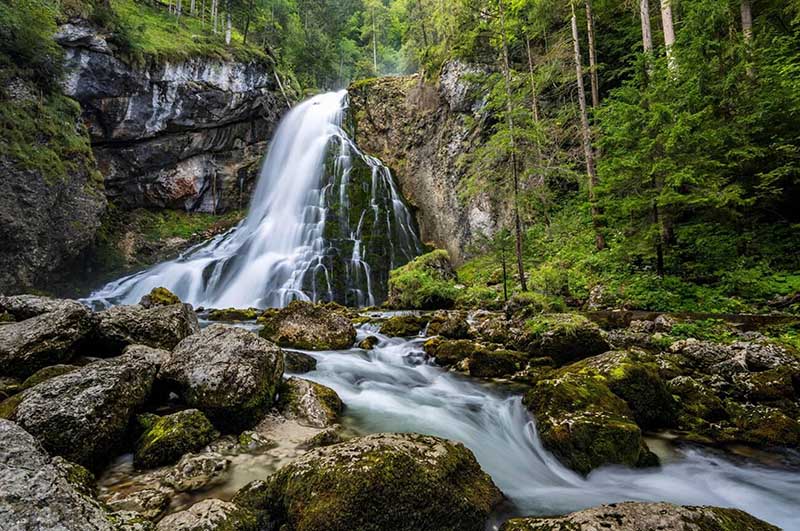
Beyond technical aspects, strive to capture the essence and spirit of the waterfall. Experiment with different focal lengths, from wide-angle shots that encompass the entire scene to close-ups that emphasize intricate details. Consider shooting during different seasons to showcase the waterfall's transformation throughout the year.
Post-processing is the final step in refining your waterfall images. Use software like Adobe Lightroom or Photoshop to enhance colors, adjust contrast, and fine-tune overall image quality. Be mindful not to over-process; aim for a natural and realistic look that preserves the authenticity of the scene.
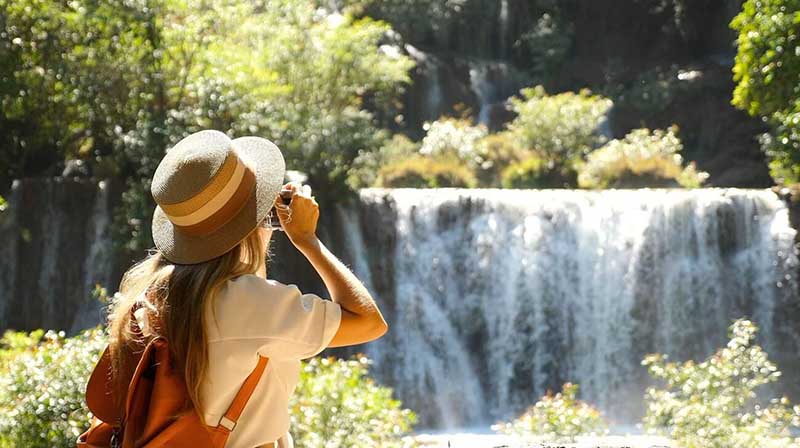
In conclusion, mastering the art of waterfall photography is a fulfilling endeavor that goes beyond technical proficiency—it requires an appreciation for the natural beauty of these cascading wonders. Armed with the right equipment, knowledge, and a creative mindset, you can transform your waterfall photography from a series of shots into a captivating visual narrative.
Remember to carefully select your locations, considering both iconic waterfalls and hidden gems that offer unique perspectives. Experiment with composition, utilizing the surrounding elements to create a sense of place and scale. Perfecting exposure is crucial, and the use of filters can significantly enhance your ability to capture the dreamy, flowing effect of the water.