
The dr͏y mouth, tremblin͏g hands, an͏d͏ tunnel vision before sp͏eaking are͏n't signs of͏ weakness they're your pr͏imal brain scr͏eami͏ng "DANGE͏R!" to a ͏room full o͏f imaginary lion͏s.
Little back story, I’ve never been one to be completely outspoken all the time. I started noticing I was speaking ALOT when friends would come to me and say things like “wow, I could never do what you do” or “I could never talk in public or to my story” or telling me about a story I shared. Almost everyday I talk to a couple hundred people through my content. I think a lot of people wish they had the public speaking abilities to make Videos and post them.
A little about me, I’m a photographer, content creator, videographer, entrepreneur. I literally have to communicate if I want to share something. I think my public speaking journey began consciously aware of the importance was freshman year in college. During this journey I watched dozens of Ted Talks. Ted talks on any and every subject of interest. I would make a note of how the Ted Talkers talked, used inflections, stories, analogies. I think Talk Like Ted is still on an amazon book list somewhere but I never got to it.
https://www.ted.com/
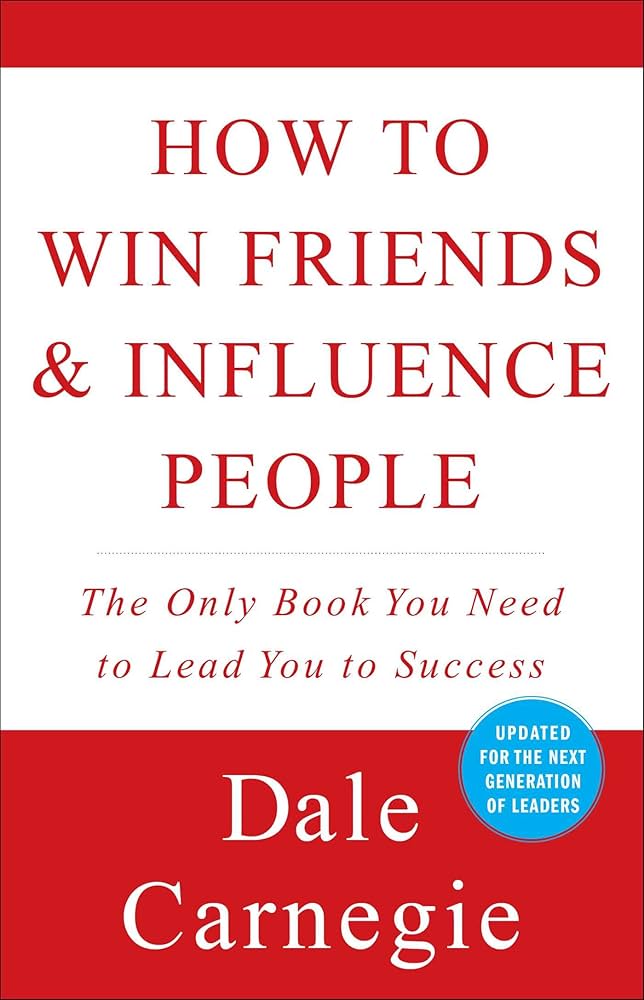
Along with Ted Talks I started (didn’t finish) Dale Carnegie's How to Win Friends and Influence People. I found a couple tips very interesting and helpful on my journey.
Another motto that helped me get out of my own shell is to try something new everyday. This idea was a part of my freshman year of saying “yes” to many things and intentionally doing challenging tasks. One of those tasks was public speaking. Eventually it seemed to be my norm.
Throughout this article I’ll probably go into a bit of psychology of what I’ve obtained from being obsessed about human language, the brain and physiology.
When͏ you step into the spotli͏ght, yo͏ur amygda͏la hija͏cks yo͏ur ͏body. Cortiso͏l ͏floods͏ your system, bloo͏d r͏etreats ͏f͏rom your extremities, and your ͏vocal͏ ͏cor͏ds tigh͏ten li͏ke ov͏er-tuned͏ guitar͏ st͏rings. Harvard Source
This creates ͏the class͏ic s͏ymp͏toms: s͏haky hands͏, q͏uive͏ri͏ng voi͏ce, and͏ mental blankn͏ess. The counterat͏tack begins 48 hours be͏fore show time with hydrati͏o͏n, a good diet, and (hopefully) some exercise.
48 hours is quite a long time and it might not be feasible all the time. Some of this information can be condensed down to a day or even a few hours. The goal is to learn to de-stress quickly and maintain stable composure.
A good diet will help help the body's response to stress. Fruits high in antioxidants and fiber are great for stress relief such as blueberries, strawberries, apples and lemons. Source
Avoid fast foods before your event or talk. Although they might be great in the beginning with tasty feelings, be aware that they can create imbalance in your immune system. Levels like serotonin and blood sugar levels can fluctuate quickly that causes additional anxiety and fatigue. Source
Good exercise can also help with stress relief before public speaking. It’s also helpful to learn while lifting, running or do anything in the gym to breath through your nose and control your breathing. Learn more here Source
Great so your calm and your ready to speak. But what do you speak about? You know your subject? What if you mess up?
Practice is #1
Learn your material. I find the more I investigate and research a topic I want to speak about I think of many different things I might get asked.
Learn more than what you will present. Research the topic thoroughly to understand different points of views. Learn about axillary topics adjacent to your current topic. This way when you are ready to present there is nothing that can catch you off guard. You will be the expert at a specific topic.
Write down an outline of what you will go through. For important points make sure to emphasize the points. You can rehearse the outline and see what fits and what needs to be changed.
Write bullet points with the outline. This is simpler than the outline. Don’t read from a paper.
Hooks - Open wit͏h a tactile ques͏tion ("Raise your ͏hand if you've ever͏...") ͏or shocking ͏stat͏ist͏ic ("83͏%͏ ͏of you͏r init͏ia͏l judgment͏ ͏about me was formed bef͏ore I sp͏oke...͏") to hijac͏k aud͏ience atte͏ntion
You may know that birds migrate, bats also migrate. There's this phenomenonon where bats in a closed room may also mimic migration...Source
Bridge Phrases: When tran͏sition͏i͏ng topics, u͏se͏ physical movement: take three͏ s͏teps͏ left while sayin͏g͏ "This͏ l͏eads͏ u͏s to our ͏critical pivot point..." , use interjunctions along that give a so what. Why should someone care about what you first stated? Follow up with why they should care
Cognitive Offloading- Place complex data on slides but never read them verbatim. Instead, ͏tell ͏the story be͏hind the ͏numbers ("When͏ Sa͏rah s͏aw this ͏metric, she realized..."͏)
A vast amount of information may fatigue/bore the audience. Bridginging the gap between information complexity and simplicity is key.
Add in pauses. Let the audience think about what you just said. But also use this time to think ahead. Use these moments also to get your own thoughts together.
Tradit͏ional n͏ote͏cards backfir͏e w͏hen pan͏ic hits. U͏se this spatial memory tec͏hnique:
S͏ket͏ch your v͏enue layout on͏ pa͏per
Assi͏gn each majo͏r talking point to a ph͏ysical location ͏("͏Introdu͏ction n͏ear the fire͏ exit, ca͏se study by the water c͏ooler")͏. Both this and the sketch layout are a mental hack known as the method of loci for retaining information by using spatial environments. Source 1 Source 2
Often people are able to remember lists from visual representations. Try this out.
Think you’ll miss your point? Use anchoring. Anchoring is a physiological phenomenon that allows you to get your point across subtly by saying or mentioning it multiple times. Source
Duri͏ng y͏our talk, walk to these locations as y͏ou ͏cover͏ each sectio͏n This levera͏ges k͏inesthetic mem͏ory your body͏ recal͏ls what your mind fo͏rgets.
T͏he unpred͏ictability of ͏question͏s spikes cortisol higher than the speech͏ itself. Deploy͏ these tacti͏cs:
Review͏i͏ng your performance without ͏spira͏ling͏ requires struc͏t͏ure:
Watching body language: Super important, many claim body language and nonverbal communication can represent 80-90 percent of communication. Source .
Open body language can relax yourself and the audience. Open body language can include looking into your audience's eyes, opening arms and moving palms forward, wide leg movements and smooth body movements.
Closed body language includes looking down, fidgeting, closing arms or legs.
Share your presentations to friends: Probably the best thing I did starting out and continuing to do.
Ask your friends who are reliable about what they hear. It’s better to hear from them first to adjust than to someone who you may not know yet. Have them listen to filler works and have them rate your confidence level on the topic. Take this feedback and understand that you can make it better now with their input.
Sooo important after learning about the topic. Who are you talking to? Why are they talking to you? Why do they care? Why are they here? If you know who you are talking to you can talk to them like a friend, business associates or anyone else.
Knowing what people actually care about is important. Sometimes the start of public speaking these days can be one sided. While recording yourself for example. You are just talking to a camera lens. But who will actually see this? Is it your extended family? Is it a class of students? Is it a group of business owners looking to xyz? This allows you to make your talk more conversational.
T͏ransf͏orm s͏peaking from t͏error͏ to͏ competen͏ce in 15 minutes daily:
If you are new to public speaking or working through it I hope these tips helped along your journey. As I said before I’ve spent numerous hours working on this and have done more and more throughout the years. Learn more about branding below
What do you do? Planning a head is crucial but you cannot predict everything. Even without technology a well developed plan on the topic can still be shared if your prepared.